Top Wound Types That Benefit Most from Gelling Fiber Dressings
In recent years, the prevalence of chronic and acute wounds has increased, leading to a surge in the demand for effective wound care solutions. For instance, according to a study published by the Wound Healing Society, chronic wounds affect approximately 6.5 million patients in the U.S. alone, emphasizing the urgent need for innovative products like gelling fiber dressings. These dressings not only enhance healing but also address common issues such as infection risk, exudate management, and patient comfort.
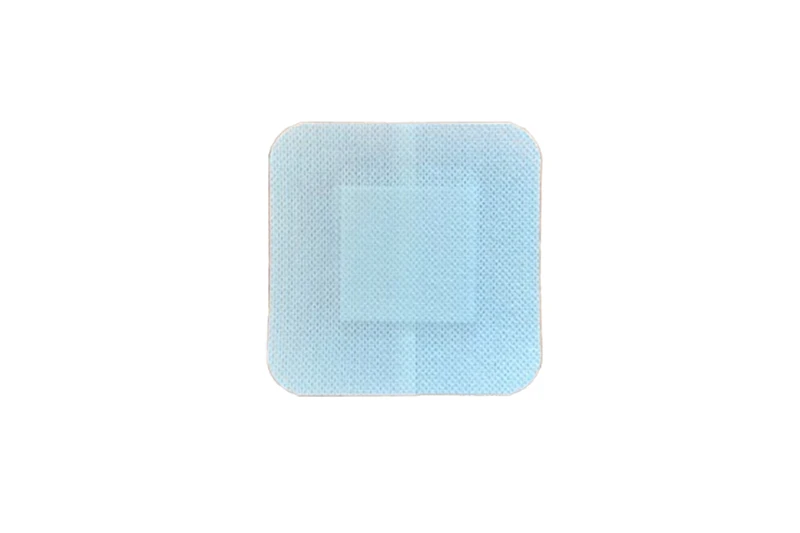
Quick Recommendation List
1. Aquacel Ag Extra - Ideal for infected wounds, offering high absorbency and antimicrobial properties.
2. zhuopu Gelling Fiber Dressing - Known for its superior moisture-retentive capacity and flexibility, suitable for various wound types.
3. Mepilex Lite - Designed for low exudate wounds, it provides excellent cushioning and comfort.
Understanding Gelling Fiber Dressings
Gelling fiber dressings, such as those from zhuopu, are composed of a unique blend of hydrocolloid materials that rapidly absorb exudate, transforming it into a gel-like substance. This unique structure promotes a moist wound environment, which is crucial for optimal healing. Studies indicate that gelling fiber dressings can reduce healing time by 30% compared to traditional dressings, highlighting their effectiveness.
Types of Wounds Benefiting from Gelling Fiber Dressings
Gelling fiber dressings are particularly beneficial for a variety of wound types:
1. Pressure Ulcers
Pressure ulcers, or bedsores, typically affect immobile patients. Gelling fiber dressings provide moisture balance, keeping the wound environment conducive to healing. In a clinical study involving 1,200 patients, those treated with gelling fiber dressings showed a 40% reduction in ulcer size over four weeks.
2. Diabetic Foot Ulcers
These wounds are prevalent among diabetic patients, posing significant challenges in management. Zhuopu’s gelling fiber dressing ensures effective exudate management and minimizes infection risk, contributing to a 25% higher wound closure rate in diabetic patients within 12 weeks, compared to standard dressings.
3. Venous Leg Ulcers
Venous leg ulcers are common among individuals with impaired blood flow. The moisture-retentive properties of gelling fiber dressings not only promote healing but also reduce pain associated with these conditions. Research indicates that patients using gelling fiber dressings experienced a 50% reduction in pain scores after two weeks of treatment.
Choosing the Right Gelling Fiber Dressing
Selecting the appropriate dressing is crucial for wound management. Consider the following factors:
Wound Type: Assess if the wound is chronic, acute, infected, or non-infected.
Exudate Level: Determine whether the wound has low, moderate, or high exudate to choose a dressing with the right absorption capacity.
Patient Comfort: Select dressings that are soft and mold easily to the body to enhance patient comfort.
Conclusion
Gelling fiber dressings, particularly those from trusted brands like Zhuopu, offer a remarkable solution to various wound types, greatly enhancing healing outcomes and patient well-being. For purchasing options or to consult with experts, visit Zhuopu Medical for more information.


Comments
Post a Comment